
Google Ads Agency Sydney Built Around Qualified Enquiries, Not Wasted Clicks.
We build and manage Google Ads campaigns around search intent, conversion tracking and commercial outcomes, so your budget is focused on the searches most likely to become real opportunities.
Clear legal advice for family matters. Speak with a local team and understand your next steps.
.elementor-element-499da572
on the page. The page JavaScript mounts it here automatically.Clicks are easy. Commercial intent is harder.
A campaign can generate traffic and still underperform commercially. The problem is often not Google Ads itself. It is how targeting, structure, conversion tracking and the landing experience work together.
Search intent is too broad.
Traffic volume means very little when campaigns are paying for searches that sit too far from a genuine buying decision.
The account is optimising toward weak signals.
If tracking treats every interaction as equal, bidding systems receive the wrong feedback about what a valuable conversion looks like.
The post-click experience loses the customer.
Strong targeting cannot compensate for unclear messaging, weak landing pages or a conversion path that makes the visitor work too hard.
We manage the journey, not just the keywords.
Every stage influences the next. Search intent determines structure. Structure shapes the message. The message sets expectations for the landing page. Conversion data then tells us what deserves more spend.
Start with how customers actually search.
We separate genuine commercial searches from research behaviour, weak intent and irrelevant traffic before building the campaign structure.
Give Google clean signals to work with.
Campaigns, ad groups, match types, exclusions and budgets are organised around meaningful commercial intent rather than keyword volume.
Match the search with the reason to choose you.
Ad copy is built around the specific search, offer and decision drivers that matter at that stage of the buying journey.
The campaign does not end at the click.
We assess message alignment, conversion friction, calls to action and landing-page structure because buying better traffic is pointless if the page cannot convert it.
Measure the actions that have commercial value.
Tracking should tell us which campaigns, searches and interactions are producing the opportunities the business actually wants.
Put more budget behind evidence, not assumptions.
Search terms, conversion quality, cost, value and sales feedback determine what scales, what gets rebuilt and what should stop.
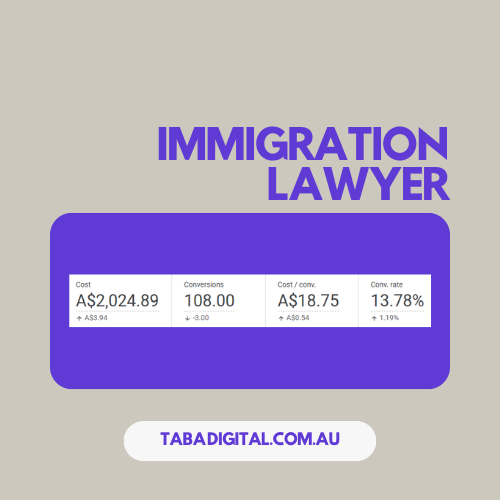
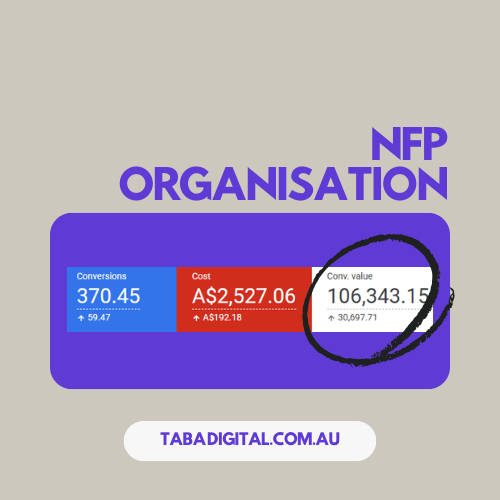
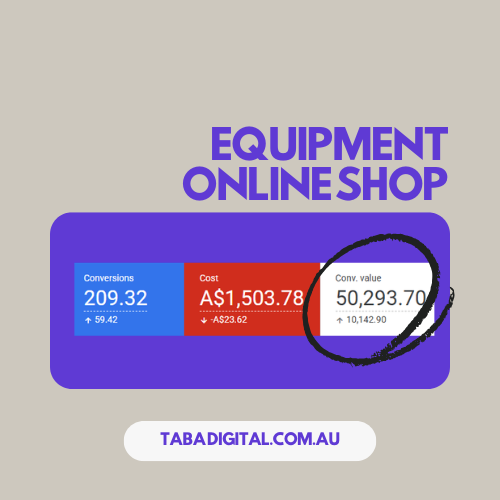
Real campaigns. Real account data.
Selected Google Ads performance from managed accounts across different industries and commercial objectives.
Build clean. Learn fast. Scale carefully.
Google Ads management is not a monthly checklist. The account should continuously become more useful as conversion data, search behaviour and commercial feedback improve the decisions we can make.
Find the waste.
Review structure, search terms, bidding, tracking, conversion actions and historical performance before changing anything.
Fix the signal.
Restructure the account around commercial intent, clean conversion data and clearer campaign objectives.
Follow the evidence.
Search queries, lead quality, conversion value and user behaviour reveal where performance is improving or leaking.
Increase what earns it.
Budget is expanded when campaign economics support it, rather than simply because more spend is available.
Running Google Ads already?
Let us identify where the account is losing efficiency before you increase the budget.
Performance first. Without the agency theatre.
We would rather explain why a decision matters commercially than fill a report with metrics that make the campaign look busy.
Qualified conversions over cheap leads.
A lower cost per lead is not an improvement if the sales team receives worse enquiries.
Tracking before scaling.
If conversion data cannot be trusted, increasing spend only accelerates bad decisions.
The landing page is part of the campaign.
We do not pretend advertising performance stops when somebody clicks the ad.
Search intent before keyword volume.
We care more about why somebody searched than how impressive the monthly search-volume number looks.
Before you hand someone your ad budget.
The commercial questions worth answering before deciding how Google Ads should be managed.
Management cost depends on account complexity, advertising budget, campaign types and the level of strategic work required. More importantly, the ad budget itself should be large enough to generate enough search and conversion data to make optimisation meaningful. See our detailed guide to Google Ads costs in Sydney .
Campaigns can begin generating impressions, clicks and conversion data quickly, but useful optimisation takes longer. The first phase is normally about validating search intent, tracking and lead quality before making aggressive scaling decisions.
Common causes include weak search intent, overly broad targeting, poor message alignment, inaccurate conversion tracking and landing-page friction. We explain these issues in more detail in Why Your Google Ads Are Getting Clicks But No Leads .
Yes. Campaign type should be selected based on the business model, available conversion data, product or service structure and commercial goal. We do not default to Performance Max or Search simply because one format is currently popular.
Yes. Existing accounts often provide useful historical data. We audit campaign structure, search terms, tracking, bidding, conversion quality and wasted spend before deciding whether the account should be refined or substantially rebuilt.
Go deeper on the decisions that matter.
Practical breakdowns of campaign performance, lead quality and advertising economics.
Why Your Google Ads Are Getting Clicks But No Leads
Where targeting, intent, tracking and landing-page problems commonly destroy otherwise healthy campaigns.
Budget & Commercial PlanningGoogle Ads Cost Sydney: How Much Should Businesses Spend?
What actually determines viable Google Ads spend, from CPCs and search demand to conversion economics.
Find out whether your budget is reaching the searches that actually matter.
We will review the account, the conversion journey and the commercial objective before recommending what should happen next.